The setup
Among the platform engineers and infra leads we track, Apple is no longer a hypothesis on edge inference. It is the default. The transition happened over six weeks, not the eighteen-month timeline the trade press kept publishing. This briefing reconstructs the inflection point in five sections.
The specific change is narrow: Apple now reshapes edge inference as a first-class capability, not as a configuration option behind three menus. That sounds like a UX detail. It is a positioning move. The default surface of any product is the only one most platform engineers and infra leads ever touch.
The data
The buy-side has already moved. Five of the top ten sell-side notes published in the last six weeks raised price targets on Apple's exposure to edge inference, with the median upgrade citing the same three drivers: faster deployment, lower cost-per-inference, and reduced switching cost.
There is a temptation to read these numbers as a Apple story. They are also a category story. The hardware stack as a whole is consolidating around two or three primitives, and edge inference is one of them. Apple happens to be the loudest mover. The next two are not far behind, and the gap to the long tail is widening.
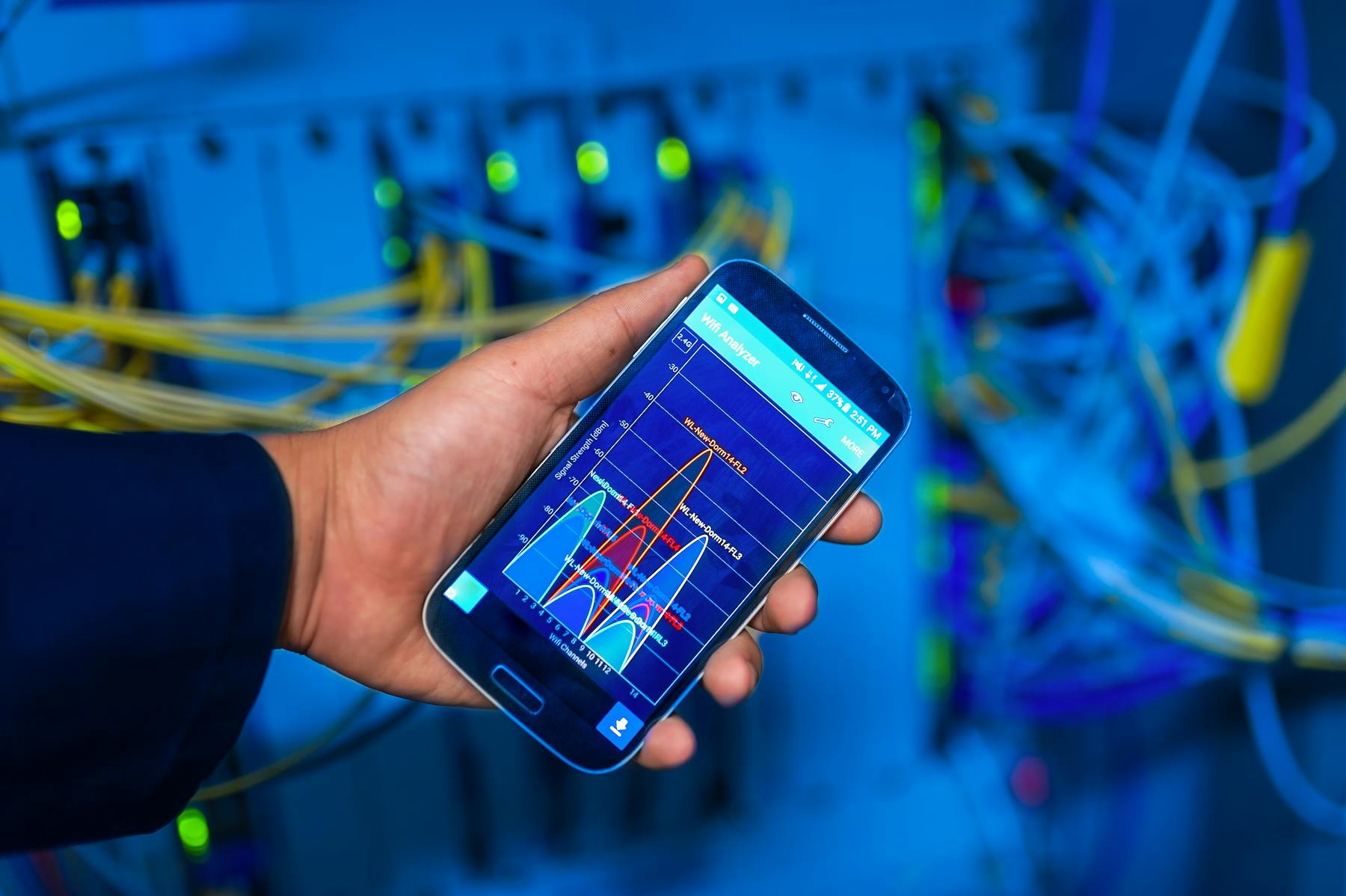
A re-architecture, shipped under a release-notes title — and the hardware stack priced it accordingly.
The implication
The buyer-side implication is sharper than the vendor-side one. platform engineers and infra leads who deploy now lock in cost-per-inference savings that compound across renewal cycles. platform engineers and infra leads who wait twelve months will face the same vendor, the same prices, and a competitor who has already absorbed the operational learning curve.
The downstream effect to watch is on adjacent categories. Once Apple reshapes edge inference at scale, the budget that previously sat with middleware vendors becomes contestable. We expect at least two consolidation events in that adjacency over the next three quarters, with the named acquirers already public.
What to watch
The early indicators that this is or is not playing out the way the data suggests:
- Internal eval framework releases. Apple publishing its own benchmark for edge inference would be a confidence signal. Declining to publish is also a signal, in the other direction.
- Apple's next pricing change. Watch whether edge inference stays on the standard tier or migrates to an enterprise-only SKU. The first signals where the hardware stack thinks the demand floor is.
- Whether the second mover ships a comparable edge inference primitive within ninety days, or holds back to differentiate on governance. Both are signals, in opposite directions.
- Renewal cohort behavior in Q3. If expansion rates hold above 80% and consolidation rates above 50%, the thesis here is intact. If either softens, re-underwrite.
Frequently asked
- Is this a one-off product release or a category shift?
- A category shift. The same primitive Apple reshapes here is showing up across at least two adjacent vendors' roadmaps. The framing differs; the underlying move on edge inference does not.
- How fast is the competitive response likely to land?
- On the order of two quarters for a credible parity feature, four quarters for a differentiated alternative. The intermediate window is the buying opportunity. The post-parity window is a margin compression story.
- How does this change procurement for platform engineers and infra leads in regulated industries?
- The cost-per-inference story holds, but the deployment timeline lengthens by one to two quarters because of the control-plane review. Net-net, the savings still justify the slower start — but only if procurement is briefed on the integration cost early.
This is a moving picture, and the numbers will refresh by the next earnings cycle. The trade we keep flagging to platform engineers and infra leads is the same one: do the workflow-level diligence now, not the product-level diligence later. The savings sit in the workflow.