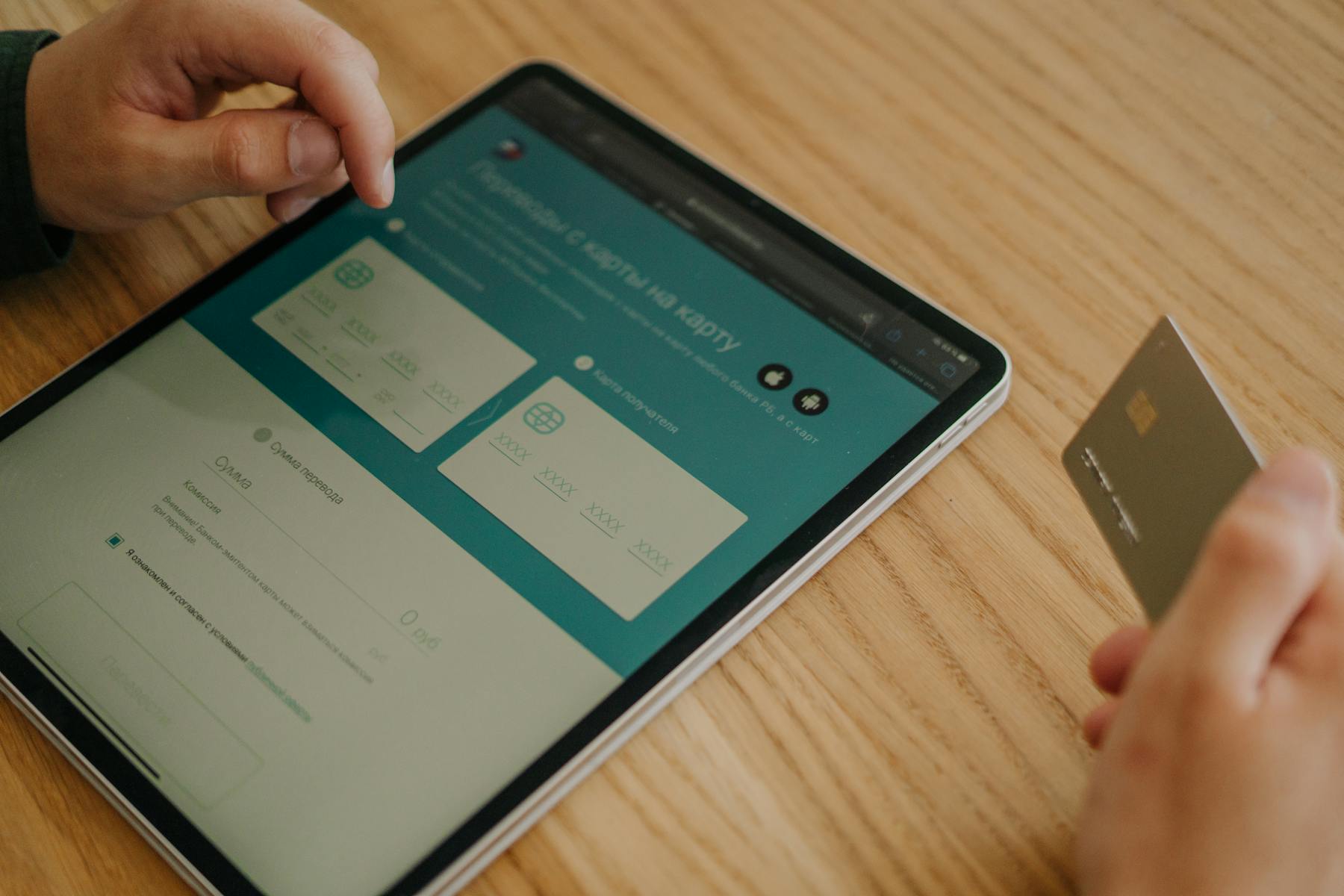

What shipped
Visa reshapes the enterprise workflow this quarter, and the second-order effects are already moving through the CFOs and revenue ops leads who run procurement. The headline is small; the repricing is not. What follows is the part the press notes left out — the buyer math, the named accounts, and the timing that matters.
What Visa actually shipped is a workflow primitive — small, composable, addressable from the API as well as the UI. the enterprise workflow that previously required middle-office tooling integration is now a single call. For buyers building agentic pipelines, that compresses a six-week implementation into an afternoon.
The buyer math
Three data points anchor this. First, internal benchmarks from CFOs and revenue ops leads who have lived with Visa's enterprise workflow for at least one quarter show cost-per-transaction compression in the 30–55% band, depending on workload mix. Second, the procurement language has shifted — RFPs that previously named Visa as an alternative now name it as the standard. Third, talent flows trail budget flows by one to two quarters; both are moving in the same direction.
Translate the data into a planning question: if your roadmap assumes the enterprise workflow will be a differentiator in eighteen months, the data says you are planning against a commodity. The differentiation will move one layer up — to evaluation, to governance, or to the workflow that wraps the enterprise workflow — depending on the category.
Look at the unit economics, not the press releases. The unit economics moved by an order of magnitude.
| Metric | Leader | Second mover | Field |
|---|---|---|---|
| Cost-per-decision | Lowest | Mid | High |
| Deployment time | 6–8 wks | 12–16 wks | 20+ wks |
| Governance maturity | High | Medium | Low |
| Renewal risk | Low | Low | Medium |
What it means
For CFOs and revenue ops leads reading this in week one of planning season: the practical implication is that any roadmap line that names the enterprise workflow as a six-quarter initiative needs to be rewritten. The window for it to be a differentiator has closed. The remaining work is execution, and execution favors whoever moves first.
Second-order effect: the talent market reprices. Engineers who built proprietary the enterprise workflow systems become more valuable on the open market, not less — but the roles they get hired into change. The new title is "platform owner for enterprise workflow," and it pays in the band above where the equivalent role sat eighteen months ago.
What to watch
What we will be watching at the desk between now and the next earnings cycle:
- Visa's next pricing change. Watch whether enterprise workflow stays on the standard tier or migrates to an enterprise-only SKU. The first signals where the buy-side thinks the demand floor is.
- Whether the second mover ships a comparable enterprise workflow primitive within ninety days, or holds back to differentiate on governance. Both are signals, in opposite directions.
- Renewal cohort behavior in Q3. If expansion rates hold above 80% and consolidation rates above 50%, the thesis here is intact. If either softens, re-underwrite.
- The hiring pattern at the top three competitors. We are watching for the enterprise workflow platform leads being recruited out of Visa's ecosystem — that is the leading indicator for a competitive response.
Frequently asked
- How does this change procurement for CFOs and revenue ops leads in regulated industries?
- The cost-per-transaction story holds, but the deployment timeline lengthens by one to two quarters because of the control-plane review. Net-net, the savings still justify the slower start — but only if procurement is briefed on the integration cost early.
- What is the most common buyer mistake we see on this?
- Treating the enterprise workflow as a standalone purchase rather than a workflow layer. The single-vendor view underestimates the integration debt to existing middle-office tooling systems. Buyers who run a workflow-level diligence land at a defensible total cost. Buyers who run a product-level diligence do not.
- Is there a defensible argument for waiting twelve months?
- In regulated environments and capital-constrained teams, yes. Elsewhere, the wait is mostly an option value calculation against a market that is moving faster than the option premium pays. The math gets worse, not better, with delay.
For a desk view, the headline does not move. Visa sits in our top quartile for category exposure to enterprise workflow, the integration cost is the moat that compounds, and the next twelve months reprice rather than reshape. INTELAR will update if the cohort data softens.